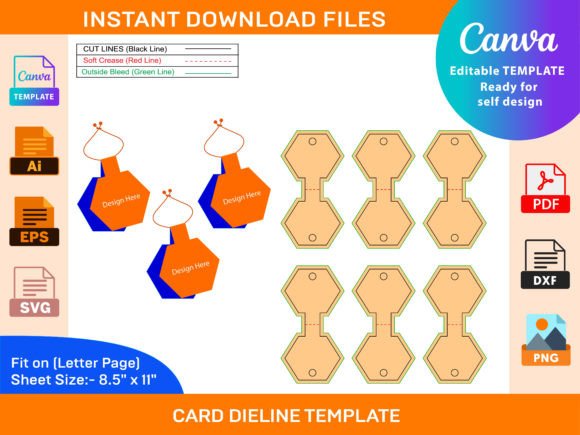
Reviewing the T-Shirt Display Card Dieline Vector
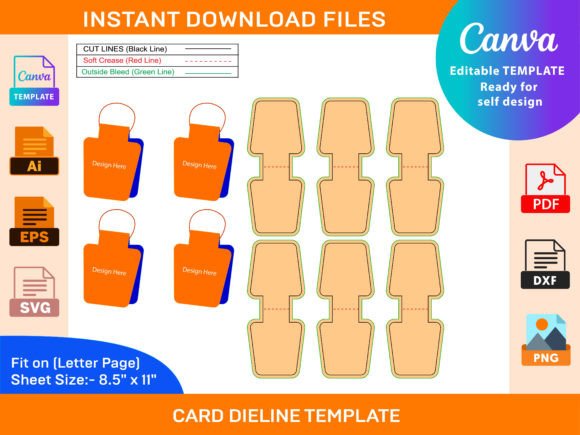
As a designer who spends half my life staring at stitch simulations and the other half wrestling with physical fabric, I have learned that the gap between a digital file and a finished product is where most projects fail. We often obsess over the embroidery itself—the thread tension, the color palette, the digitizing quality—while neglecting the presentation. That is why I took a close look at the T-Shirt Display Card Dieline Vector. While this asset falls under the category of Print Templates and Graphics, its utility for an embroidery professional is surprisingly high. It is not a stitch file, but it is arguably just as critical for anyone serious about selling handmade goods.
The First Impression: Structure Meets Simplicity
When I first opened the file, my immediate reaction was one of relief. In a market flooded with overly ornate, cluttered packaging designs, this dieline offers a clean, blank canvas. The mood it creates is one of professional minimalism. For an embroidery business, this is vital. Your stitched design is the hero; the packaging should be the stage, not the competitor. The layout feels intuitive, with clear fold lines and ample space for branding. It does not scream for attention, which allows the texture and color of your finished product to take center stage.
I evaluated this vector with a specific project in mind: a line of custom embroidered tote bags for a local boutique. The client wanted a premium feel without the premium price tag of rigid boxes. Using this T-Shirt Display Card Dieline Vector, I could visualize exactly how the folded card would support the weight of the bag while providing a sturdy backing for hang tags. The visual personality is neutral enough to work with rustic linen threads or vibrant polyester raysons, making it a versatile tool in my design arsenal.
Real-World Application in Embroidery Sales
Let’s talk about how this actually performs in the wild. I recently prepared a batch of personalized baby onesies for a holiday rush. The embroidery featured delicate satin stitch lettering and a small applique design. Presenting these on a flimsy polybag felt cheap. By integrating the display card created from this template, the perceived value of the item skyrocketed. The card provided a rigid surface that kept the garment flat, ensuring the customer saw the stitch density and clarity immediately upon unboxing.
This template is particularly effective for:
- Custom Apparel: T-shirts and sweatshirts benefit from the structural support, preventing wrinkles during transit.
- Embroidered Patches: A display card gives patches a retail-ready look, allowing you to pin them securely without damaging the fabric.
- Tote Bag Design: As mentioned, the card acts as a insert that maintains the bag's shape.
- Holiday Embroidery: Seasonal items like kitchen towels or pillow covers look more gift-ready when mounted on a branded card.
For an Etsy seller or small shop owner, consistency is key. Using a standardized printable mockup or physical card derived from this vector helps build brand recognition. When a customer receives multiple items from you over time, the consistent packaging reinforces trust. It signals that you are not just a hobbyist stitching in spare time, but a craft business with attention to detail.
Navigating Fabric and Stitch Constraints
While the dieline itself is a graphic element, its use intersects directly with the physical realities of embroidery. You must consider how the product sits against the card. For instance, if you are embroidering on textured fabrics like heavy terry cloth or waffle knit, the display card provides a necessary contrast. However, caution is needed with curved surfaces. If you are selling caps or hats, a flat display card might not be the best fit unless you are attaching it to the brim or using it as a backing for a patch.
Another critical consideration is the interaction with dark fabrics. If you are stitching white thread on a black hoodie, the contrast is stark. A white display card can enhance this brightness, but if the card has any printed elements, ensure they do not clash with your thread colors. I always recommend testing the physical assembly with scrap fabric first. Check how the garment folds around the card. Does the bulk of the fill stitch cause the fabric to bunch up against the cardboard edge? These are the practical details that separate a good product from a great one.
Technical Considerations for Designers
Since this is a vector file, scalability is not an issue, but print resolution is. Ensure your printer can handle the line weights specified in the dieline. If you are adding your own logo or care instructions to the blank template, keep your typography legible. Tiny lettering can get lost if the print quality is low. Furthermore, consider the environmental aspect. Many customers today prefer eco-friendly packaging. This simple card design uses minimal ink and material, aligning well with sustainable brand values.
Before finalizing your design, review the following:
- Stabilizer Compatibility: Ensure the back of your embroidery (where the stabilizer is) does not stick to the card or leave residue.
- Hoop Size vs. Card Size: Make sure the embroidered area is fully visible and not obscured by the card's folds or cutouts.
- Thread Color Contrast: Use the card background to enhance, not hide, your thread choices.
- Licensing: Always confirm the license terms for the vector file. Can you use it for commercial packaging? Can you modify it? These details are crucial for legal peace of mind.
Enhancing Visual Appeal and Brand Trust
The ultimate goal of any packaging is to elevate the perceived value of the handmade product. A well-executed display card transforms a simple embroidered towel into a thoughtful gift. It adds a layer of professionalism that justifies higher price points. For digital embroidery file sellers, using this dieline to create realistic mockups can significantly boost engagement. Buyers want to see how the final product looks in a real-world setting, not just floating in white space.
In my experience, customers react positively to tactile experiences. The act of sliding a soft, embroidered sweatshirt out from behind a crisp, branded card creates a moment of anticipation. It slows down the unboxing process, allowing the buyer to appreciate the craftsmanship of the satin stitch or the precision of the running stitch outlines. This emotional connection is what drives repeat business and positive reviews.
Final Verdict for the Modern Maker
The T-Shirt Display Card Dieline Vector is a understated yet powerful tool for the modern embroidery entrepreneur. It bridges the gap between digital design assets and physical product presentation. While it requires you to do the heavy lifting in terms of branding and print production, the foundation it provides is solid. It is not a magic solution, but it is a reliable one. For those looking to refine their shop’s aesthetic, improve their unboxing experience, or simply present their work with the dignity it deserves, this template is a worthy addition to your workflow. Just remember to check your specific print requirements and licensing details before committing to a large run. Happy stitching, and even happier packaging.