Reviewing the White T-Shirt Mockup for Embroidery
As a designer who has spent countless hours digitizing patterns and watching them come to life on fabric, I have learned that presentation is just as critical as the stitch count. We often obsess over thread tension and underlay, yet we neglect how the final embroidery project is showcased to the world. Recently, I evaluated the White T-shirt Mockup to determine its viability for my client work and personal craft business. This is not just a digital asset; it is a tool for visualizing the end result before a single needle pierces the cloth.
First Impressions and Visual Mood
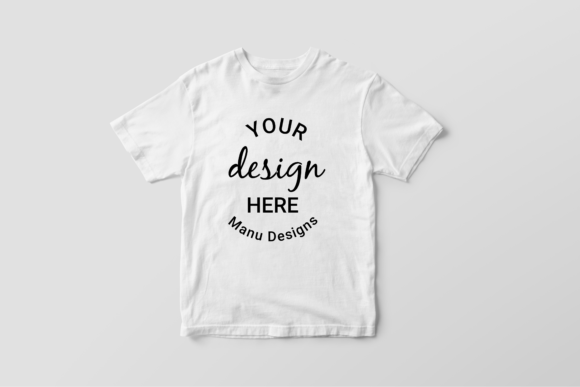
The first thing that strikes you about the White T-shirt Mockup is its cleanliness. In the world of T-Shirts and Graphics, white space is powerful. It allows the eye to rest and focuses attention entirely on the design placed upon it. The flat lay format offers a professional, neutral backdrop that does not compete with intricate stitching. For an embroidery designer, this neutrality is invaluable. It creates a mood of modern simplicity and high-end retail readiness.
When I imagine placing a complex applique design or a delicate satin stitch monogram on this mockup, the contrast is immediate. The bright white fabric acts as a canvas that highlights every nuance of the thread colors I choose. Whether I am working with vibrant neon threads for a summer collection or subtle pastels for a baby line, the mockup ensures the design remains the hero. It feels less like a generic template and more like a curated display case for handmade excellence.
Real-World Application in Custom Apparel
To truly test the utility of this asset, I applied it to a real-life scenario: preparing a launch for a new line of custom embroidered sweatshirts and tees. As an Etsy seller, I know that customers cannot touch the fabric through a screen. They rely on images to gauge quality. Using the White T-shirt Mockup, I was able to visualize how a chest-logo embroidered patch would sit on a garment. The perspective helped me adjust the placement in my digitizing software, ensuring the design did not look too high or too low on the torso.
This mockup is particularly effective for custom apparel where branding is key. For boutique owners, consistency is vital. By using the same high-quality JPG file across various listings, you create a cohesive brand identity. It works seamlessly for sweatshirt embroidery previews, allowing you to show clients exactly how their logo will appear on different garment styles without needing to stitch a physical sample for every inquiry. This saves time, thread, and fabric, which is crucial for maintaining healthy margins in a small shop product environment.
Enhancing Product Value and Trust
The impact of a professional presentation on buyer engagement cannot be overstated. When a customer sees a crisp, well-lit image of a personalized gift on a clean white tee, their perception of value increases. It signals professionalism. It suggests that the maker cares about details. This psychological cue builds trust. For commercial embroidery projects, such as corporate uniforms or team gear, this level of presentation can be the deciding factor in securing a large order. The White T-shirt Mockup elevates the perceived quality of the finished product, making it appear ready for shelf display in a high-end department store.
Navigating Technical Constraints
While the visual appeal is strong, we must approach this tool with a designer’s critical eye. There are specific situations where caution is required. For instance, if you are designing for dark fabrics, a white mockup may not accurately represent how your thread colors will pop. Dark garments require different contrast considerations. Similarly, if your design relies heavily on fill stitch density, the smooth texture of the mockup might hide potential puckering issues that could occur on thinner, stretchy fabrics.
Curved surfaces present another challenge. While the flat lay is excellent for front-and-back views, it does not fully simulate how a design wraps around a cap or a sleeve. For holiday embroidery on tricky items like stockings or fitted caps, I recommend using this mockup for initial layout approval but always verifying with a physical test on scrap fabric. Tiny lettering and detailed corners can also be deceptive in digital formats. What looks sharp on a screen may become a tangled mess of running stitch and satin columns if the stitch density is not optimized for the actual fabric texture.
Practical Notes for the Embroidery Designer
Before integrating the White T-shirt Mockup into your workflow, consider these practical steps to ensure success:
- Test on Scrap Fabric: Never rely solely on the digital preview. Stitch your machine embroidery design on a similar fabric to check for registration and tension.
- Check Thread Contrast: Use the mockup to experiment with different color palettes, but remember that screen brightness can alter perception. Compare light and dark backgrounds to ensure versatility.
- Verify Hoop Size: Ensure your digitized file fits within the intended hoop size. The mockup shows placement, but it does not enforce physical machine limits.
- Inspect Small Details: Zoom in on your digital proof. If elements look blurry or merged, they will likely stitch out poorly. Simplify complex areas for better clarity.
- Confirm Licensing: Always review the terms of use for any digital embroidery file or mockup asset. Confirm whether you can use the resulting images for commercial sales or if restrictions apply to design assets.
- Use Proper Stabilizer: The mockup assumes a perfect finish. Achieve this in reality by matching your stabilizer to the fabric weight, especially for tote bag design projects or heavy denim.
Final Verdict for Craft Entrepreneurs
The White T-shirt Mockup is a robust addition to the toolkit of any serious embroidery professional. It bridges the gap between digital creation and physical reality, offering a clear, professional window into how your handmade product will be perceived. It is ideal for baby embroidery lines, minimalist apparel decorators, and anyone selling printable mockup services or finished goods online.
However, it is not a substitute for technical knowledge. It complements your skills in digitizing and stitching but does not replace the need for understanding stabilizer choices, fabric behavior, and machine maintenance. When used correctly, it enhances your brand consistency and streamlines your client communication process. For the modern creative entrepreneur, having such a reliable visual aid is not just a luxury; it is a strategic advantage in a crowded marketplace. Embrace it as part of your design workflow, but always keep your hands on the fabric and your eyes on the stitch.