Reviewing the Hanging T-Shirt Mockup Bundle for Designers
As an embroidery designer who has spent years refining digitized patterns and presenting them to clients, I have learned that the stitch work is only half the battle. The other half is presentation. When you are selling a machine embroidery design, whether it is a delicate floral motif or a bold geometric logo, your potential buyers need to visualize the final result. This is where the Hanging T-Shirt Mockup Bundle enters the conversation. I recently integrated this set of graphics into my workflow to evaluate how well it serves real-world embroidery projects, from small Etsy shops to larger commercial operations.
First Impressions and Visual Mood
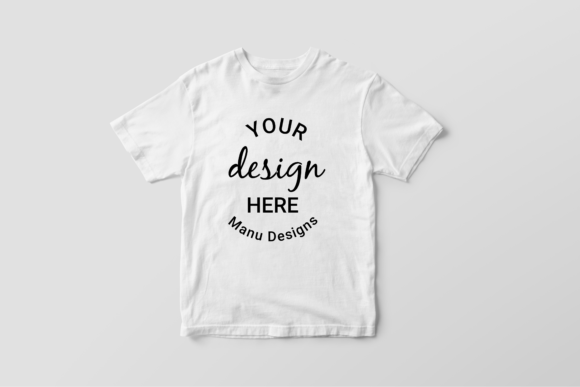
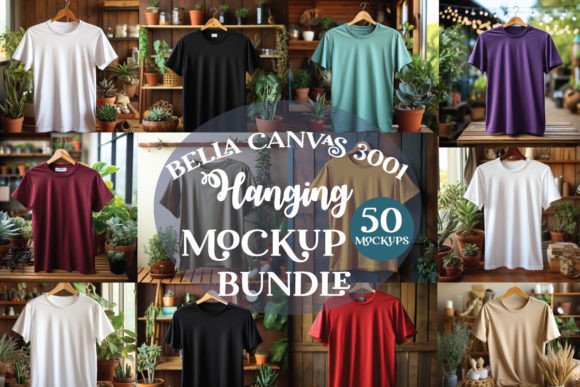
Upon opening the Hanging T-Shirt Mockup Bundle, the immediate impression is one of clean, minimalist professionalism. The mood is neutral yet inviting, designed to let the artwork take center stage rather than competing with it. For an embroidery reviewer, this is crucial. If a mockup is too busy or heavily textured, it can distort the perception of the embroidery file being showcased. These images provide a crisp canvas that highlights the texture of the thread and the precision of the stitches.
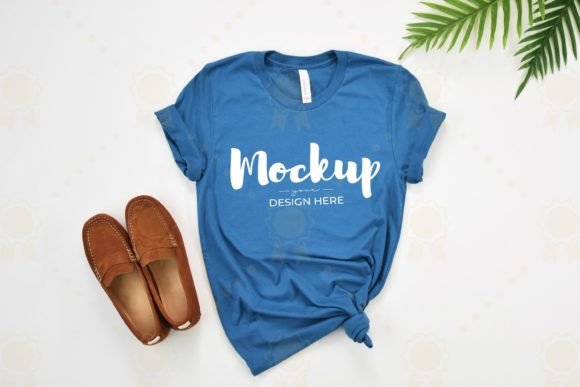
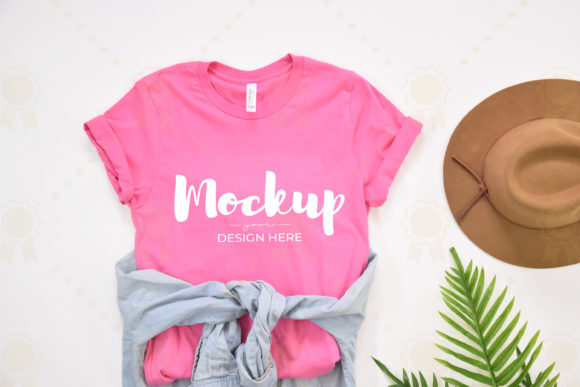
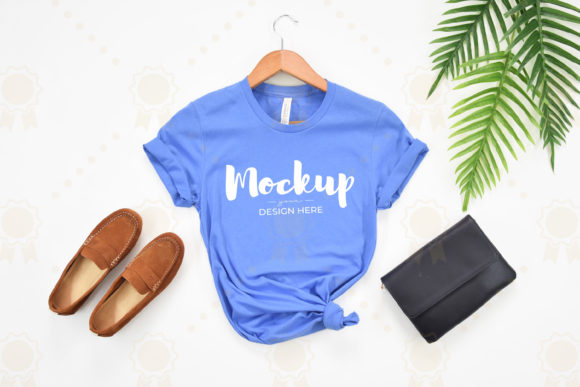
The layout feels natural, mimicking how a garment might hang in a boutique or a well-organized home studio. This visual personality aligns perfectly with modern handmade branding. It suggests quality and care, which is exactly the vibe we want to convey when selling custom apparel or personalized gifts. Whether you are displaying a complex applique design or a simple text-based monogram, the hanging format provides a realistic sense of drape and scale.
Real-World Application in Embroidery Business
To truly test the utility of these assets, I applied them to a recent project involving a custom sweatshirt embroidery design for a local boutique client. The goal was to create a digital preview that showed how a dense fill stitch logo would look on a heavyweight cotton blend. Using the Hanging T-Shirt Mockup Bundle, I was able to place the digitized artwork onto the garment image seamlessly.
The result was striking. The mockup allowed me to demonstrate the visual weight of the design without needing to stitch out multiple physical samples for the initial approval stage. This is a massive time-saver for any craft business. It also works exceptionally well for tote bag design previews, provided you adjust the perspective slightly to account for the flatter surface of a bag compared to a curved shirt. For Etsy sellers, having high-quality printable mockup images can significantly increase buyer engagement, as customers feel more confident in what they are purchasing.
I also tested the bundle for baby embroidery items. While the primary focus is t-shirts, the neutral background and lighting make it adaptable for onesies or small tops. The soft lighting in the graphics complements the delicate nature of running stitch details often found in nursery decor or infant clothing. It helps convey the softness and safety associated with holiday embroidery gifts for newborns.
Navigating Fabric and Stitch Constraints
While the Hanging T-Shirt Mockup Bundle is a powerful tool, it is not a magic wand. As designers, we must be realistic about its limitations. The mockups typically feature smooth, standard cotton or poly-blend fabrics. However, real-life embroidery often involves challenging materials. If you are working with highly textured fabrics like terry cloth towels or stretchy performance wear, the mockup may not accurately represent how the stitch density interacts with the material.
For instance, a design that looks crisp on the smooth surface of the mockup might sink into a plush towel or pucker on a thin, stretchy fabric. Therefore, when using these design assets for commercial embroidery pitches, always include a disclaimer or a secondary photo of the actual stitched sample on the specific fabric type. This is particularly important for embroidered patch creations, where the backing and edge finishing play a huge role in the final look.
Additionally, consider the hoop size relative to the garment in the image. If your design is large, ensure the mockup shows a garment size that can accommodate it without distortion. Tiny lettering or intricate corners in a digital embroidery file might appear clearer in a high-resolution mockup than they will in reality. Always advise clients to check the actual stitch count and detail level against their machine’s capabilities.
Enhancing Brand Consistency and Trust
One of the strongest advantages of using a consistent set like the Hanging T-Shirt Mockup Bundle is brand recognition. When customers browse your shop, seeing a uniform style of presentation builds trust. It signals that you are a professional who pays attention to details. This consistency is vital for small shop product lines where every listing needs to feel part of a cohesive collection.
The mockups also help in evaluating color contrast. Before sending a file to a client, I use these images to test how different thread colors pop against the garment. A dark thread on a light shirt is obvious, but subtle tonal variations can get lost. By placing the design in the mockup, I can quickly assess if the satin stitch borders stand out enough or if the design needs adjustment for better visibility. This step is essential for maintaining the perceived value of the finished product.
Practical Notes for the Embroidery Designer
If you are considering adding the Hanging T-Shirt Mockup Bundle to your toolkit, here are some practical steps to ensure you get the most out of it:
- Test on Scrap Fabric First: Never rely solely on the mockup for technical accuracy. Always stitch a test piece on the actual fabric to check for puckering or thread breaks.
- Check Thread Color Contrast: Use the mockup to simulate different thread combinations, but verify them in natural light on the physical item.
- Review Stitch Density: Ensure the design isn’t too dense for the fabric type shown in the mockup, especially if selling to beginners.
- Confirm Hoop Size: Make sure the visual scale in the mockup matches the actual hoop requirements of your embroidery project.
- Inspect Small Details: Zoom in on the mockup to see if fine details remain clear, but remember that screen resolution can be deceiving.
- Use Proper Stabilizer: The mockup won’t show stabilizer needs, so always include care instructions regarding stabilization in your product descriptions.
- Verify Licensing: Before using these graphics for commercial listings, confirm the license terms to ensure you can sell the printed mockup images as part of your marketing.
In conclusion, the Hanging T-Shirt Mockup Bundle is a valuable asset for any embroidery designer looking to elevate their presentation. It bridges the gap between digital files and tangible products, helping handmade product creators showcase their work with clarity and style. While it requires careful application regarding fabric types and stitch realities, its ability to enhance visual appeal and customer trust makes it a worthwhile investment for serious creative entrepreneurs.