Reviewing the Valentine’s Antler PNG for Embroidery Use
As a designer who spends half my life digitizing files and the other half stitching them out, I have learned that not every graphic is created equal for needle and thread. Recently, I came across the Sublimation Design, Valentine s Day, PNG, marketed primarily for printing on tumblers and t-shirts. While the product description highlights its utility for sublimation on fabric and hard goods, my immediate instinct was to evaluate its potential as a source file for embroidery projects. Can a bright, transparent-background clipart truly translate into a high-quality stitched finish? The answer is yes, but with specific caveats that every craft business owner needs to understand before launching their next holiday collection.
First Impressions: Mood and Visual Personality
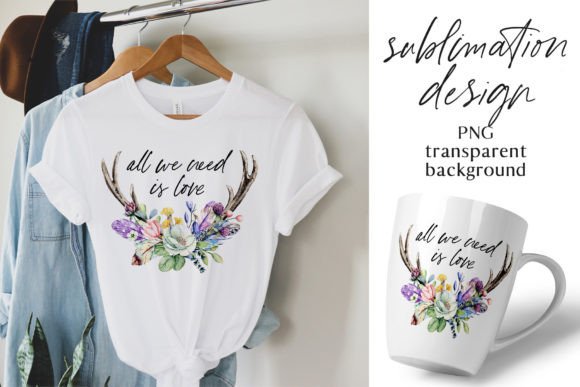
The first thing that strikes you about this design is its playful juxtaposition. Combining antlers with Valentine’s Day themes creates a whimsical, rustic-chic aesthetic that performs exceptionally well in the current market. It moves away from traditional hearts and roses, offering something fresh for customers who prefer a woodland or cabin-core vibe. The layout is clean, and the lines are distinct, which is crucial when we consider how these shapes will convert into stitches. For an embroidery project, clarity is king. If the original graphic is muddy, the stitch path will be too. This particular graphic offers strong silhouettes, suggesting that it could serve as an excellent foundation for a custom applique design or a dense fill stitch motif.
Real-World Application: From Screen to Stitch
To test the viability of this asset, I imagined a real-life scenario: preparing a custom embroidered sweatshirt for a boutique client. The goal was to create a personalized gift that felt premium, not mass-produced. Using the Sublimation Design, Valentine s Day, PNG as a visual reference, I considered how the antler shape would sit on the left chest of a heavyweight cotton fleece. The symmetry of the antlers provides a balanced look that draws the eye without overwhelming the garment.
For small shop products, versatility is key. This design isn’t limited to apparel. I can easily see this working as a central motif on a tote bag design, where the sturdy canvas fabric supports heavier stitch density. It also translates beautifully to home decor, such as a pillow cover or a kitchen towel, adding a touch of seasonal charm without being overly kitschy. For Etsy sellers looking to expand their holiday embroidery offerings, this theme bridges the gap between winter holidays and Valentine’s Day, extending the selling window significantly.
Navigating Technical Challenges in Embroidery
While the visual appeal is strong, we must address the technical realities of converting a raster image like a PNG into a machine embroidery design. Since this is provided as a graphics file and not a pre-digitized embroidery file, you will need to digitize it yourself or hire a professional. Here is where practical judgment comes into play.
Stitch Density and Fabric Texture
The "bright design" mentioned in the description likely relies on solid colors. In embroidery, large solid areas require careful management of stitch density. If you use a standard fill stitch on thin fabric without proper stabilizer, you risk puckering. For a sweatshirt embroidery project, this is less of an issue due to the fabric's weight, but for baby clothes or delicate tea towels, you must reduce density and consider using a running stitch outline to define edges before filling. Always test the design on scrap fabric first to gauge how the thread interacts with the material.
Small Details and Hoop Size
Antlers can have intricate tips. If you are working with a small hoop size, such as a 4x4 inch hoop for an embroidered patch or a cap, you may need to simplify the inner details. Tiny corners can get lost in satin stitch coverage. I recommend inspecting small details closely during the digitizing phase. If the antler tines are too thin, they might break or look messy after washing. Simplifying the vector path before generating stitches ensures cleaner results on curved surfaces like caps or hats.
Color Contrast and Thread Selection
The success of this design hinges on thread colors. Since the original is a bright sublimation graphic, you have the freedom to choose non-traditional thread palettes. However, for a handmade product to look professional, contrast is essential. If you are stitching on a dark fabric, ensure your thread colors pop. Conversely, if you are aiming for a subtle, tonal look on a light fabric, verify that the stitch direction provides enough texture variation to make the design visible. Testing it in black and white mockups can help you determine if the shape holds up without relying solely on color.
Commercial Viability and Brand Consistency
For creative entrepreneurs and digital product sellers, the value of this asset lies in its adaptability. It fits seamlessly into T-Shirt Designs and broader Graphics categories, but its true power for an embroiderer is in creating unique, tangible goods. When used correctly, this design enhances brand consistency by offering a signature look that is recognizable yet versatile.
Customer trust is built on quality. A poorly stitched antler looks like a mistake; a well-stitched one looks like art. By taking the time to adjust stitch angles and underlay, you elevate the perceived value of the finished product. This is particularly important for commercial embroidery projects where clients expect durability. Ensure that the design works for both personal and commercial projects by confirming licensing terms. Most sublimation PNGs come with specific usage rights, so always check whether you are allowed to sell physical items made using this graphic as a reference.
Practical Designer Notes for Best Results
Before you commit to production, keep these actionable tips in mind:
- Digitize with Intent: Do not auto-digitize. Manually set stitch types. Use satin stitch for outlines and borders to create crisp edges, and fill stitch for the main body of the antlers.
- Stabilizer Matters: Use a cut-away stabilizer for stretchy fabrics like t-shirts to prevent distortion. For woven fabrics like aprons or tote bags, a tear-away may suffice, but test first.
- Check Licensing: Confirm if the PNG license allows for commercial use of derived embroidery designs. Some artists allow print-on-demand but restrict digital resale or physical manufacturing.
- Mockup Testing: Create printable mockups to show clients how the embroidery will look on different garment colors. This helps manage expectations and reduces revision requests.
- Wash Testing: Always wash and dry a sample piece. Check for thread breakage or fabric puckering. This step is non-negotiable for maintaining professionalism in your craft business.
Final Verdict
The Sublimation Design, Valentine s Day, PNG is a promising starting point for embroidery designers willing to put in the digitizing work. It offers a trendy, versatile motif that appeals to a wide audience, from nursery decor buyers to couples seeking personalized gifts. While it requires technical adaptation to transition from a sublimation graphic to a stitch-ready file, the result can be a standout addition to your small shop product line. By respecting the limitations of fabric texture and hoop size, and by prioritizing stitch clarity, you can transform this simple clipart into a high-value embroidered asset that drives buyer engagement and sales.